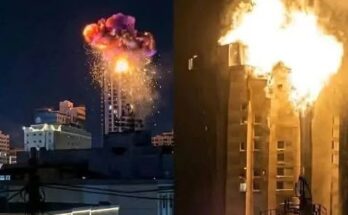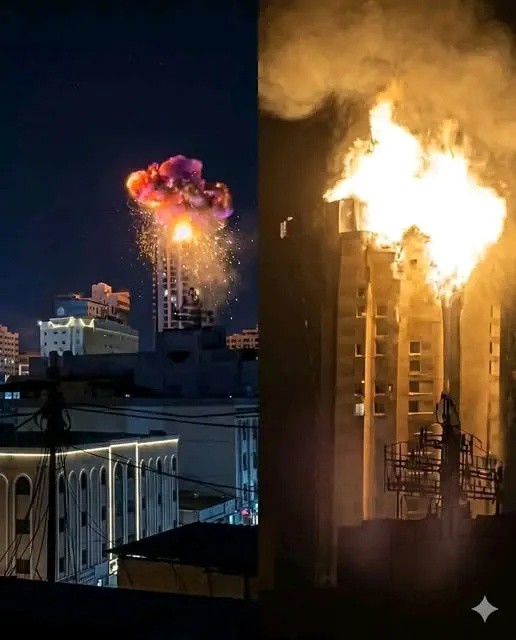

Air defense systems were activated after an attack over Dubai, marking a significant moment in regional security and highlighting the growing importance of advanced military preparedness in the Middle East. The incident prompted immediate defensive measures designed to protect civilian populations, safeguard critical infrastructure, and prevent further escalation. As authorities continue to investigate the source and intent of the attack, the activation of air defense systems demonstrates both technological capability and strategic readiness in one of the world most dynamic cities.
According to preliminary reports, radar systems detected incoming aerial threats approaching protected airspace, triggering a rapid response from integrated defense networks. Within moments, interception protocols were initiated to neutralize potential dangers before they could reach densely populated or strategically vital areas. Witnesses described hearing distant explosions and seeing flashes in the night sky, consistent with interception activity carried out by surface to air missile systems. Officials emphasized that the swift reaction minimized risks and prevented significant damage.
Dubai, known globally as a center of commerce, tourism, and innovation, maintains high level security coordination with national and regional defense authorities. The activation of air defense highlights the layered protection strategy used to secure major urban centers. These systems typically combine long range radar detection, electronic surveillance, and precision guided interceptors capable of responding within seconds. The objective is to identify threats early, calculate trajectories, and eliminate them before impact.
Security analysts note that air defense activation in such a high profile location carries broad geopolitical implications. The Middle East remains a strategically sensitive region, and any aerial attack raises concerns about regional stability, deterrence policies, and international relations. Governments across the region are closely monitoring the situation, while diplomatic channels are being used to reduce tensions and clarify accountability. In situations like this, rapid communication between military and political leadership is essential to prevent misunderstandings that could escalate conflict.
From a technological perspective, modern air defense systems represent a critical evolution in national security strategy. Advanced missile defense platforms use real time data processing, satellite integration, and automated threat assessment to make split second decisions. The ability to intercept aerial threats mid flight reflects years of investment in defense research and international cooperation. As aerial warfare technologies continue to evolve, so too must defensive systems designed to counter drones, ballistic missiles, and other airborne threats.
The economic dimension of the incident is also significant. Dubai economy relies heavily on investor confidence, tourism stability, and uninterrupted global connectivity. Airports, seaports, financial districts, and energy infrastructure require constant protection to maintain operational continuity. The successful activation of air defense systems reassures businesses and residents that contingency plans are in place to address unexpected threats. Authorities have confirmed that airports and major services resumed normal operations shortly after the event, minimizing disruption.
Public safety agencies worked alongside defense forces to monitor potential fallout and ensure community safety. Emergency response units were placed on high alert, and communication networks provided verified updates to prevent misinformation. In moments of uncertainty, clear and transparent communication is vital to maintaining calm and preventing panic. Officials encouraged residents to rely on official announcements and avoid spreading unverified reports through social media platforms.
International observers are analyzing the broader strategic lessons from the activation of air defense over Dubai. The incident underscores the importance of preparedness in an era where asymmetric threats and advanced weapons technologies are increasingly accessible. Nations worldwide are reassessing their airspace protection measures, investing in radar modernization, and strengthening partnerships to share intelligence.
As investigations continue, leaders have reiterated their commitment to maintaining peace and stability while defending national sovereignty. The activation of air defense systems after the attack over Dubai stands as a reminder of the complex security environment facing modern cities. While the situation remains under review, the rapid response demonstrates resilience, coordination, and a determination to protect both people and infrastructure in an evolving global security landscape.