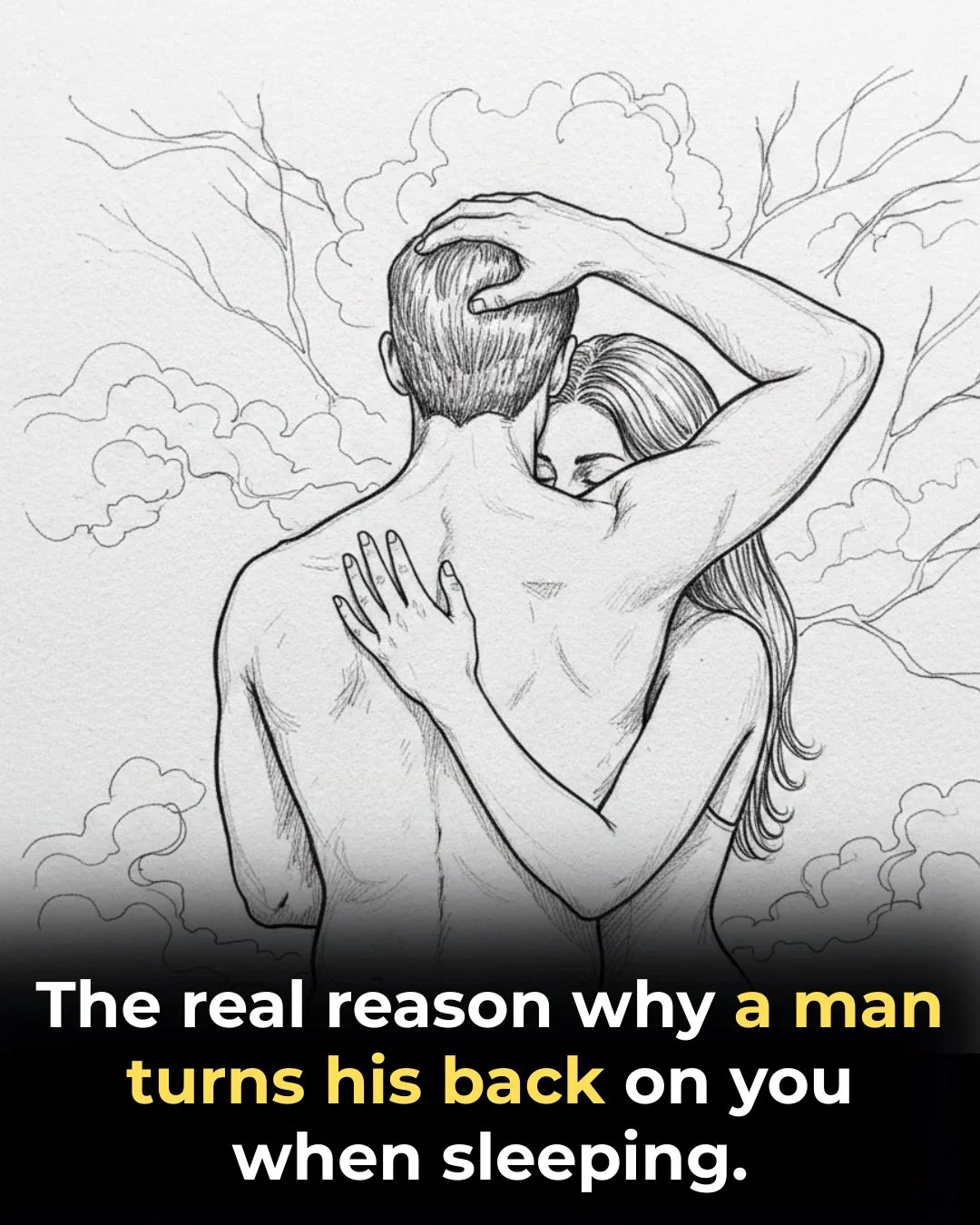
If your partner turns their back to you while sleeping, it doesn’t necessarily signal a problem in the relationship. In many cases, it simply reflects comfort, personal sleep habits, or the body’s natural need for space during rest.
A Sign of Comfort and Trust
Relationship experts often note that when someone feels safe with their partner, they may sleep in a relaxed position without needing constant physical contact. Turning their back can indicate a sense of security and trust—knowing their partner is nearby even without facing them.
A Practical Sleep Preference
Sometimes the explanation is much simpler: comfort. Certain sleeping positions help people breathe more easily, reduce back pain, or prevent snoring. Your partner might naturally sleep better on one side, which can lead them to face away from you.
A Need for Personal Space
Even in loving relationships, people still need a little personal space while sleeping. Facing away can help regulate body temperature, prevent overheating, or simply allow more freedom to move during the night.
Different Sleep Styles
Everyone has unique sleep habits. Some people move frequently during the night and may end up facing different directions without realizing it. The position they wake up in might not be the one they started with.
When It Might Reflect Emotions
While it’s usually harmless, a sudden or consistent change in sleeping behavior—especially if paired with less communication or affection during the day—could reflect emotional distance or stress. In such cases, open and calm conversations can help clarify what’s really going on.
The Bottom Line
Sleeping positions often say more about comfort than about feelings. If your partner turns their back while sleeping, it’s usually just a natural habit rather than a sign of disconnection. Healthy relationships are defined far more by communication, respect, and care than by how two people happen to lie in bed at night.