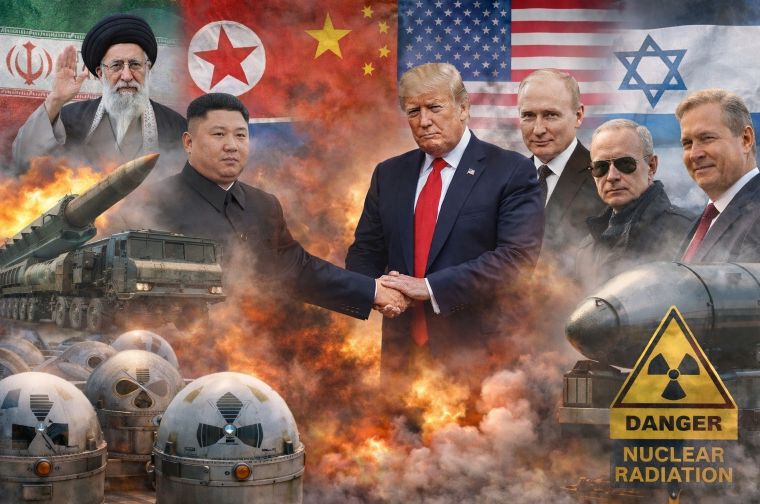
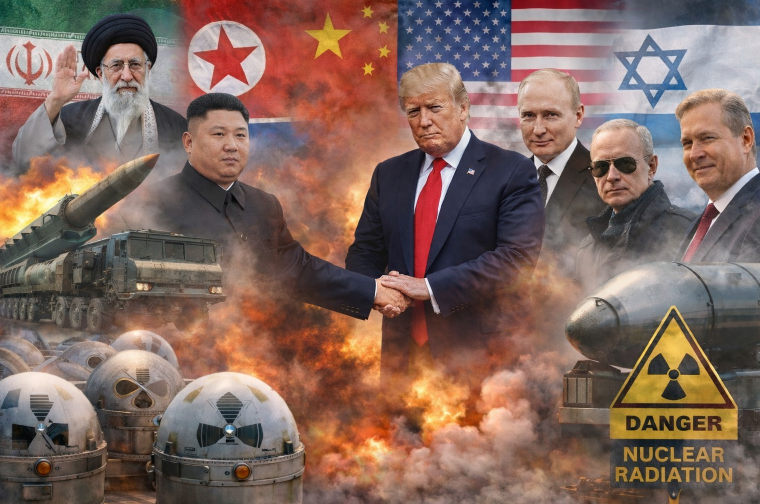
Breaking news headlines often arrive with dramatic language designed to seize attention instantly. When a statement claims that six countries have joined forces to attack, the immediate reaction is shock, curiosity, and concern. However, before drawing conclusions, it is essential to examine context, credibility, and the broader geopolitical landscape. International coalitions rarely form in secrecy without diplomatic signals, public positioning, intelligence assessments, and visible strategic preparation. A sudden viral claim that multiple nations are preparing coordinated aggression demands careful scrutiny rather than immediate belief.
Global alliances are complex and usually rooted in longstanding treaties, defense agreements, or shared strategic objectives. Nations do not typically wake up and collectively decide to launch large scale military action without weeks or months of negotiation, planning, and communication. Even in times of heightened tension, diplomatic backchannels operate continuously. Military coalitions require logistics coordination, command structures, resource commitments, and political authorization. These processes leave traces in public discourse, parliamentary debates, official press briefings, and intelligence monitoring.
Sensational headlines frequently use incomplete phrases such as see more to drive engagement. The lack of specific details within the initial statement often signals that the content is structured for clicks rather than clarity. Responsible reporting identifies the countries involved, the target, the legal justification, the timeline, and official statements from leadership. Without those components, a dramatic claim remains speculative.
In modern geopolitics, alliances form for many reasons that do not necessarily involve offensive action. Countries may coordinate for joint exercises, humanitarian missions, defensive deterrence, counterterrorism operations, maritime security patrols, or sanctions enforcement. The phrase join forces does not automatically mean initiate attack. Language framing matters. Precision distinguishes between aggression and collective security measures.
Military action at the multinational level typically follows established frameworks such as mutual defense clauses or resolutions adopted through recognized institutions. When coalitions emerge, they often communicate openly to justify their actions to domestic populations and the international community. Transparency helps maintain legitimacy. If six nations were preparing for coordinated military engagement, official spokespersons would likely address the situation directly.