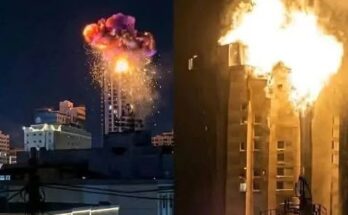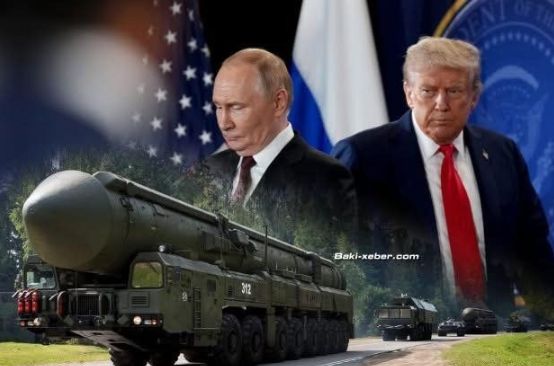
That kind of “ Breaking News: 13 countries join forces to attack…” headline is exactly the sort of thing designed to grab attention—but it’s also a format that’s very often misleading or completely false. Claims about large numbers of countries suddenly coordinating a military attack are extremely serious, and if they were real, they would be widely and consistently reported across major, credible news organizations—not hidden behind “see more” posts or vague wording.
Before treating something like that as real, it helps to step back and look at how global military actions actually work. Coordinated attacks involving multiple countries don’t happen suddenly or secretly. They require long periods of planning, formal agreements, logistics coordination, and usually some level of public or diplomatic signaling. Even in urgent situations, governments communicate through official channels, press briefings, and international organizations.
For example, when multiple countries act together militarily, it’s often through established alliances or coalitions. One of the most well-known is NATO, where member states agree on collective defense principles. Even then, joint actions are debated, approved, and publicly announced. Another example is the United Nations, which plays a role in authorizing or responding to international conflicts, especially through the Security Council.
Because of the scale and consequences, a real event involving “13 countries attacking” would immediately dominate global headlines. You’d see consistent coverage from outlets like BBC News, CNN, or Reuters, along with official statements from governments. There would also likely be emergency meetings, economic reactions, and visible military mov
When posts avoid specifics—no countries named, no location, no timeline—that’s a red flag. Vague urgency (“just happened,” “see more,” “they don’t want you to know”) is a common tactic used to encourage clicks and shares rather than to inform. It plays on fear and curiosity instead of providing verifiable facts.
There’s also a pattern behind these kinds of viral claims. Social media algorithms tend to amplify content that triggers strong emotional reactions—especially fear, anger, or shock. A headline suggesting a large-scale international attack hits all those triggers at once. Even if it’s false, it spreads quickly because people react before verifying.
That doesn’t mean global tensions or conflicts aren’t real—they absolutely are, and sometimes they escalate quickly. But real developments come with detail: who is involved, where it’s happening, why it’s happening, and how governments are responding. Without those elements, it’s not reliable information.
If you want to check whether a breaking story is real, a few simple steps go a long way:
- Look for confirmation from multiple reputable news sources.
- Check whether specific countries, locations, and officials are named.
- See if there are official statements from governments or international bodies.
- Be cautious of posts that rely heavily on emotional language but provide little substance.
It’s also worth noting that misinformation about war or attacks can have real-world consequences. It can create panic, spread confusion, and even influence public perception or behavior in harmful ways. That’s why it’s important to approach dramatic claims with a critical eye.
Right now, there is no widely confirmed, credible reporting of “13 countries joining forces to attack” in the way that headline suggests. If something of that magnitude were happening, it would be impossible to miss across trusted global sources.